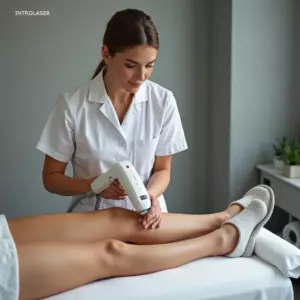

Professional Recommendations for Post-Laser Hair Removal Skin Care in Salons
Ensuring compatibility between cosmetic products and professional cosmetic diode laser hair removal procedures is crucial, especially when dealing with clients suffering from seborrhea. Incorrect post-procedure care can reduce the effectiveness of laser treatments and lead to complications. This article explores key aspects of post-procedure care, technical parameters of lasers, and legal nuances for salons.
Influence of Herbal Extract Creams on Laser Hair Removal Results

Physiological Effects of Herbal Extracts on Post-Laser Skin
Using creams with herbal extracts after professional cosmetic diode laser procedures can influence skin recovery. It’s essential to consider that certain components might accelerate regeneration or provoke unwanted reactions, especially in seborrhea-prone skin.
Chamomile, calendula, and aloe extracts possess anti-inflammatory properties, aiding in post-laser skin soothing. However, alcohol-based tinctures or high-concentration active creams can exacerbate seborrheic dermatitis.
- Ensure creams are free from alcohol and aggressive components.
- Consider individual skin reactions to herbal extracts.
- Monitor the concentration of active ingredients in post-laser products.
| Component | Skin Impact | Recommendations for Use |
|---|---|---|
| Chamomile Extract | Reduces inflammation | Suitable for sensitive skin |
| Calendula Extract | Promotes healing | Use in the absence of allergic reactions |
| Aloe Extract | Moisturizes and soothes | Recommended for dry and irritated skin |
Expert Tip: When selecting post-laser care products, always consider the skin type and potential dermatological issues. Seborrheic skin requires special attention, as incorrect products can trigger flare-ups.
Professional Post-Laser Procedures in Salons
Following diode laser hair removal, adhering to a sequence of care procedures is crucial. Professional products used in salons should align with the skin’s recovery stage.
For instance, light hydrating serums based on hyaluronic acid can be effective initially, while denser cream textures should be introduced later.
- Determine skin recovery stages post-laser treatment.
- Select professional products based on skin needs.
- Monitor skin reactions to each product.
| Recovery Stage | Recommended Products | Purpose of Use |
|---|---|---|
| First 24 hours | Hydrating serums | Reduce irritation |
| 2-3 days | Light creams with panthenol | Healing and regeneration |
| 4-7 days | Dense hydrating creams | Restore barrier functions |
Expert Opinion: Developing a clear post-procedure care protocol for diode laser treatments minimizes complication risks and enhances client satisfaction.
Technical Parameters of Diode Lasers and Their Impact on Post-Procedure Care

Influence of Wavelength on Post-Procedure Product Choice
The wavelength of a cosmetic diode laser determines the depth of radiation penetration into the skin. Higher wavelengths result in deeper penetration, influencing the degree of skin irritation post-procedure and consequently, the choice of care products.
- Assess radiation penetration depth for the wavelength used.
- Consider the degree of skin irritation when selecting care products.
- Use anti-inflammatory products for higher wavelength treatments.
| Wavelength | Penetration Depth | Recommended Post-Procedure Components |
|---|---|---|
| Low | Shallow | Hydrating components, panthenol |
| High | Deep | Anti-inflammatory components, antioxidants |
Expert Tip: To minimize irritation risks with high wavelengths, use diode lasers with cooling systems. This reduces thermal impact on the skin and lessens the need for intensive post-procedure care.
Dependence of Post-Procedure Care on Laser Power
The power of a cosmetic diode laser directly influences the intensity of skin exposure. Higher power levels necessitate more meticulous post-procedure care, especially for seborrhea-prone skin.
- Determine optimal power levels for different skin types.
- Develop post-procedure care protocols for varying power levels.
- Consider combining power levels to reduce skin strain.
| Power | Impact Level | Recommended Care Measures |
|---|---|---|
| Low | Mild | Basic care with hydrating products |
| High | Intense | Enhanced care with anti-inflammatory and regenerative products |
Expert Opinion: When operating at high power levels, employing a fractional mode reduces thermal load on the skin and minimizes post-procedure complications, which is particularly important for seborrhea-prone skin.
Influence of Pulse Duration on Post-Procedure Protocols
The pulse duration of a cosmetic diode laser determines the thermal exposure time on the skin. Longer pulses require special attention in post-procedure care.
- Analyze pulse duration based on skin type.
- Develop care protocols considering thermal exposure time.
- Evaluate the use of varying pulse durations within a single procedure.
| Pulse Duration | Thermal Load | Recommended Care Components |
|---|---|---|
| Short | Lower | Hydrating and soothing components |
| Long | Higher | Regenerative and anti-inflammatory components |
Expert Tip: To minimize thermal load with long pulses, combine them with short pulses. This reduces overall thermal impact and simplifies post-procedure care.
Legal Aspects of Using Creams Post-Laser Procedures

Compliance with Regulatory Requirements
When using cosmetic diode lasers, it’s crucial to consider the legal aspects of recommending post-procedure creams. In Russia, these products are regulated by the Technical Regulations of the Customs Union, specifically TR TS 009/2011.
Before recommending creams, ensure:
- The product has a declaration of conformity.
- Certificates and permits are available.
- Instructions for use and contraindications are reviewed.
| Criteria | Cream Requirements |
|---|---|
| Certification | Declaration of conformity to TR TS |
| Composition | Absence of prohibited components |
| Labeling | Information in Russian |
Expert Tip: Always request copies of certificates and conformity declarations from suppliers to minimize legal risks during inspections.
Responsibility for Recommendations
When recommending creams post-diode laser procedures, understanding the level of responsibility is essential. Negative outcomes can result in liability for the salon or clinic.
To minimize risks:
- Maintain a recommendation log with product names and dates.
- Obtain informed client consent.
- Ensure product batch traceability.
| Aspect | Precautionary Measures |
|---|---|
| Documentation | Maintain a recommendation log |
| Informing | Obtain client consent |
| Quality Control | Track product batches |
Expert Opinion: Developing an internal regulation for handling post-procedure products helps systematize the process and reduces legal risks.
Special Considerations for Seborrhea
When working with clients who have seborrhea, additional legal aspects must be considered. Creams should comply with both general and specific requirements for this condition.
Key points:
- Use specialized product lines.
- Ensure dermatological control.
- Provide additional client information on potential reactions.
| Requirements | Specifics for Seborrhea |
|---|---|
| Composition | Absence of comedogenic components |
| Testing | Dermatological control |
| Consultation | Detailed client information |
Expert Tip: For clients with seborrhea, consider additional agreements detailing care specifics and potential reactions.
Common Mistakes in Post-Laser Care Selection

Selecting appropriate post-care for cosmetic diode laser procedures significantly impacts the final results and the salon’s reputation. Many salon owners and practitioners make errors that can reduce treatment effectiveness and lead to undesirable outcomes.
Incorrect Product Selection Based on Skin Type
One of the most common mistakes is using universal products without considering the client’s specific skin characteristics. This can lead to irritation, dryness, or other adverse reactions.
- Determine skin type before selecting post-care products.
- Use professional lines specifically designed for post-laser care.
- Avoid products with aggressive components like alcohol or acids.
| Skin Type | Recommended Components | Components to Avoid |
|---|---|---|
| Dry | Hyaluronic acid, panthenol, oils | Alcohol, retinoids |
| Oily | Allantoin, plant extracts, light moisturizers | Heavy oils, comedogenic components |
| Sensitive | Panthenol, aloe vera, thermal water | Fragrances, dyes, aggressive preservatives |
Ignoring Recovery Stages
Post-diode laser treatment, the skin undergoes several recovery stages. Incorrect care at each stage can slow down the healing process.
- First 24 hours: Use soothing and anti-inflammatory products.
- 2-3 days: Focus on hydration and protection from external factors.
- One week and beyond: Support skin barrier functions and prevent complications.
| Recovery Stage | Main Objectives | Recommended Products |
|---|---|---|
| First 24 hours | Reduce inflammation and redness | Panthenol sprays, thermal water |
| 2-3 days | Hydration and protection | Light creams with hyaluronic acid |
| One week and beyond | Restore barrier functions | Products with ceramides and peptides |
Inadequate Hygiene and Protection
Post-diode laser treatment, the skin becomes more susceptible to infections and external factors. Insufficient hygiene and lack of protection can lead to complications.
- Ensure antiseptic treatment of the skin post-procedure.
- Use protective products with SPF 30 or higher.
- Advise clients to avoid pools, saunas, and solariums for a week post-procedure.
| Issue | Solution | Recommended Products |
|---|---|---|
| Infection risk | Antiseptic treatment | Chlorhexidine, miramistin |
| UV exposure | Use SPF | Sunscreen with SPF 30+ |
| Irritation | Soothing care | Creams with panthenol and aloe vera |
Selecting the right post-procedure care after using professional cosmetic diode lasers for hair removal is crucial for clients with seborrhea. Implementing clear protocols and training staff will reduce complications and boost client loyalty.